Budgeting on a Biweekly Paycheck: How to Plan Your Money Without Stress
Updated on 2026-03-22 at 10:51
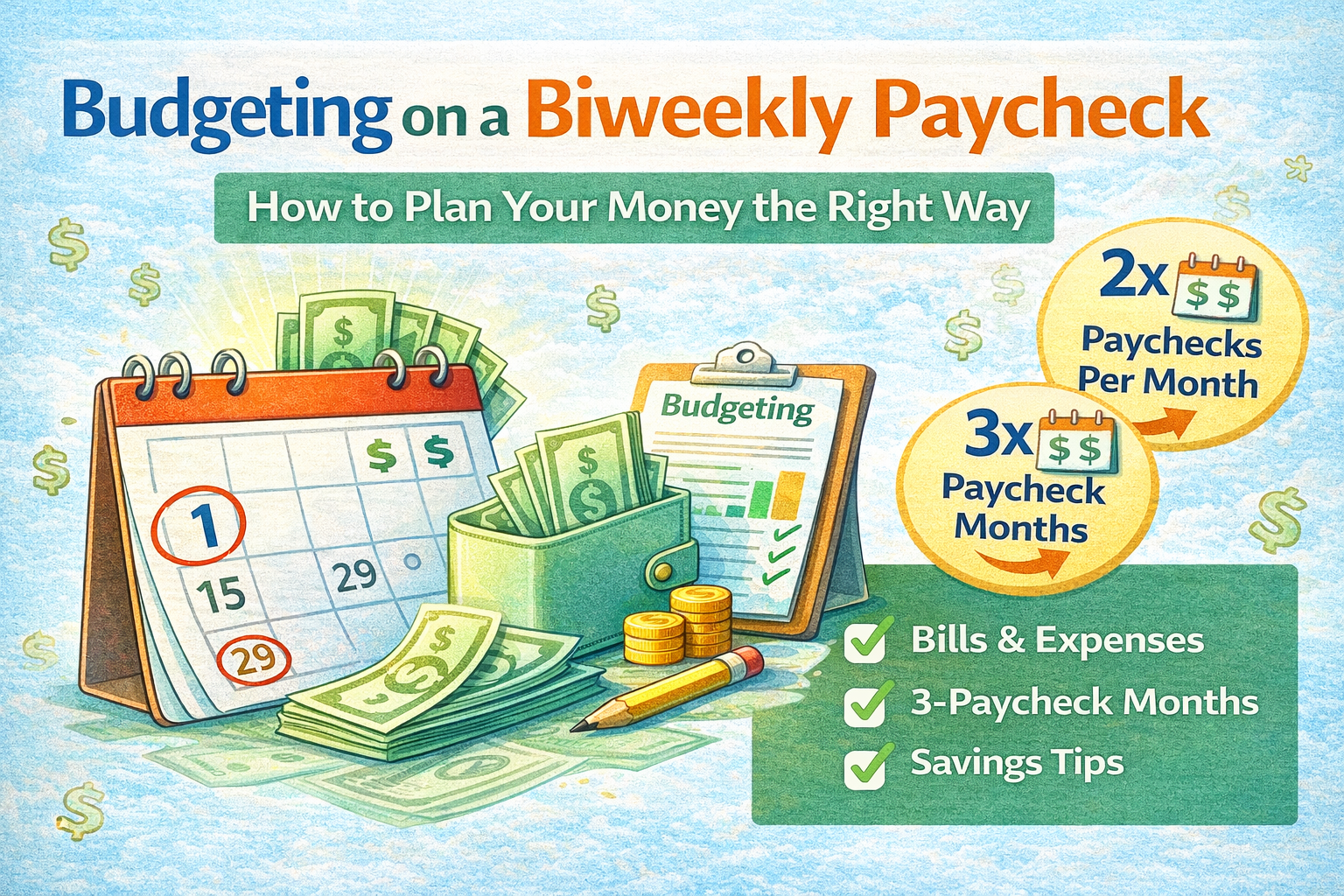
Getting paid every two weeks sounds great — until your bills don’t line up.
Most monthly expenses like rent, utilities, and subscriptions are due once a month, while a biweekly paycheck means:
👉 26 paychecks per year
👉 Not always evenly spaced within a month
This mismatch can make budgeting feel confusing.
But with the right approach, you can turn a biweekly paycheck into an advantage.
💡 What Is a Biweekly Paycheck?
A biweekly paycheck means you get paid every two weeks, typically on the same day (like every Friday).
This results in:
• 2 paychecks most months
• 3 paychecks in some months
Those “extra paycheck months” are where things get interesting.
⚠️ The Common Problem
Many people budget like this:
“I’ll just pay bills as they come in.”
This often leads to:
• Running out of money before the next paycheck
• Confusion about what’s already covered
• Stress around due dates
The issue isn’t income — it’s timing.
✅ Strategy 1: Convert Your Income to a Monthly Budget
The simplest approach is to treat your income like a monthly salary.
Step 1: Calculate Monthly Income
Example:
Biweekly paycheck: $1,500
$1,500 × 26 paychecks ÷ 12 months = $3,250/month
Now you have a stable monthly number to work with.
Step 2: Build a Monthly Budget
Use your calculated monthly income to plan:
• Rent
• Utilities
• Groceries
• Savings
• Debt payments
This removes timing confusion.
✅ Strategy 2: Assign Each Paycheck a Job
Instead of thinking monthly, you can assign responsibilities to each paycheck.
Example
Paycheck 1 covers:
• Rent
• Utilities
• Insurance
Paycheck 2 covers:
• Groceries
• Transportation
• Savings
• Spending money
This method works well if you prefer a more hands-on approach.
💰 Strategy 3: Use “Extra Paychecks” Wisely
Twice a year, you’ll receive 3 paychecks in a month.
Since most bills don’t increase, that extra paycheck is powerful.
Smart ways to use it:
✔ Boost your emergency fund
✔ Pay down debt faster
✔ Invest or save
✔ Cover irregular expenses
✔ Give yourself a financial cushion
Example
If your regular monthly expenses are $3,000
And your income that month is $4,500
That extra $1,500 can accelerate your financial goals.
🧠 Strategy 4: Build a Buffer
One of the best ways to simplify biweekly budgeting is to create a buffer fund.
This means having enough money in your account to:
👉 Cover one full month of expenses ahead of time
Once you reach this point:
• Paychecks refill your account
• Bills are no longer tied to specific paydays
• Stress drops significantly
📊 Real-Life Example
Let’s say:
Paycheck: $1,800 biweekly
Monthly equivalent: ~$3,900
Expenses:
• Rent: $1,500
• Groceries: $500
• Utilities: $300
• Transportation: $250
• Savings: $400
• Other: $700
Total: $3,650
This leaves room for savings and flexibility — but only if planned properly.
⚠️ Common Mistakes to Avoid
❌ Treating each paycheck independently
❌ Forgetting about irregular expenses
❌ Spending extra paycheck months impulsively
❌ Not planning ahead for due dates
✅ Simple Biweekly Budget Formula
1. Calculate monthly income
2. List all monthly expenses
3. Assign spending intentionally
4. Use extra paychecks strategically
5. Build a buffer over time
💡 Why This Matters
Once you understand how to manage a biweekly paycheck:
✔ You reduce financial stress
✔ You stay ahead of bills
✔ You gain more control
✔ You can grow savings faster
✅ Final Thoughts
Budgeting on a biweekly paycheck isn’t harder — it’s just different.
With a little planning, it can actually give you more flexibility and opportunity than a standard monthly paycheck.
The key is to plan ahead instead of reacting.
💡 Quick Takeaway
📌 Convert income to monthly
📌 Plan your expenses ahead
📌 Use extra paychecks wisely
📌 Build a financial buffer
Want an easier way to organize your budget across multiple paychecks?
A budgeting tool can help you track income, schedule expenses, and stay ahead of your bills without the confusion.
Related Articles
-
 Learn why an emergency fund is essential, how much you should save, and practical strategies to build one faster.
 -
 Budgeting is a simple plan for your money. Learn what budgeting is, why it matters, and how to start a realistic budget that helps you save more and s
 -
 Struggling to stick to your budget? Learn 10 realistic, beginner-friendly tips to stay on track, avoid overspending, and build better money habits.
 -
 Fixed vs Variable Expenses Explained: A Beginner’s Guide to Smarter Budgeting
 -
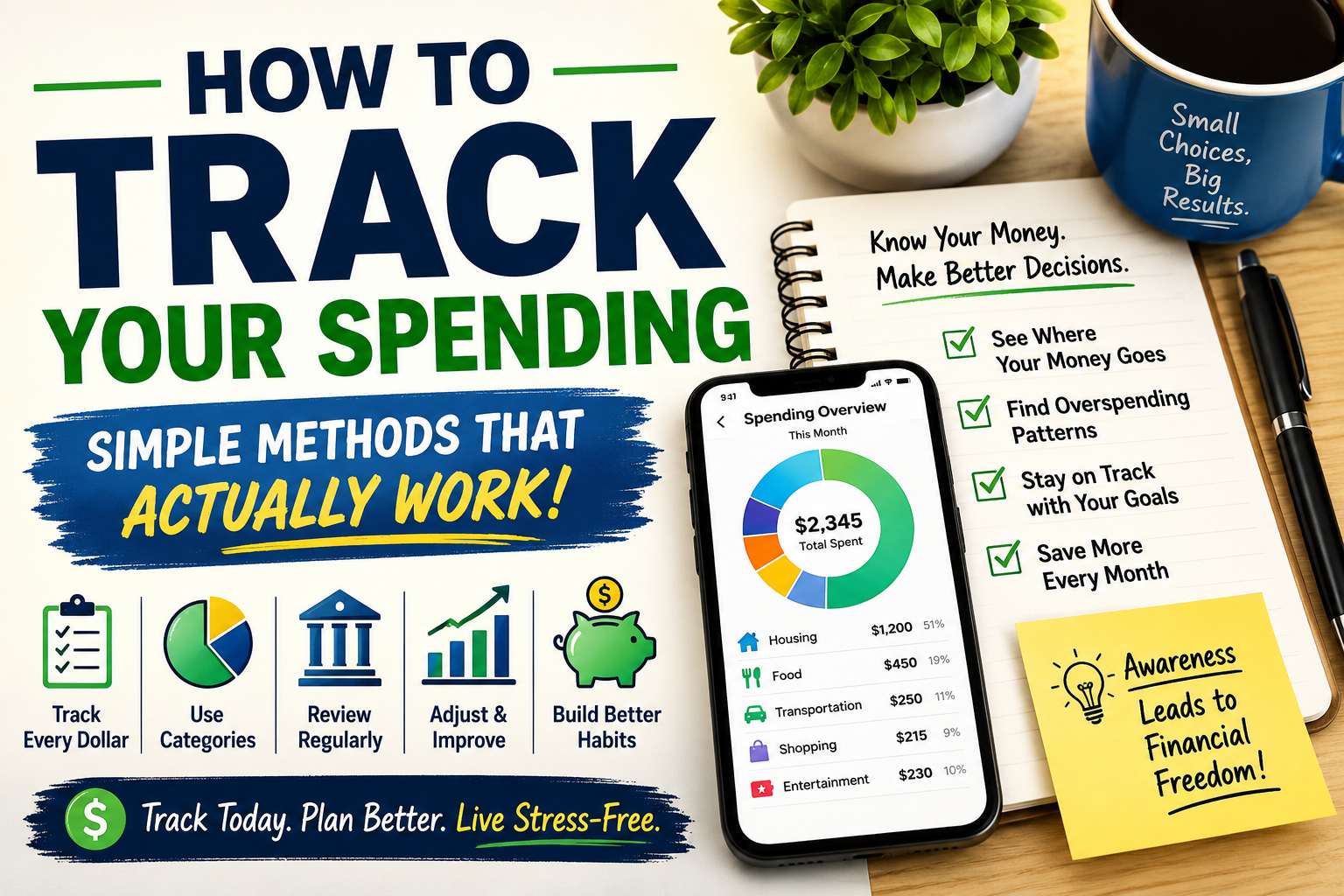 Learn how to track your spending with beginner-friendly methods. Discover how tracking expenses can help you save money, and avoid overspending.