Budgeting Basics: 10 Common Mistakes to Avoid
Updated on 2026-02-15 at 10:01
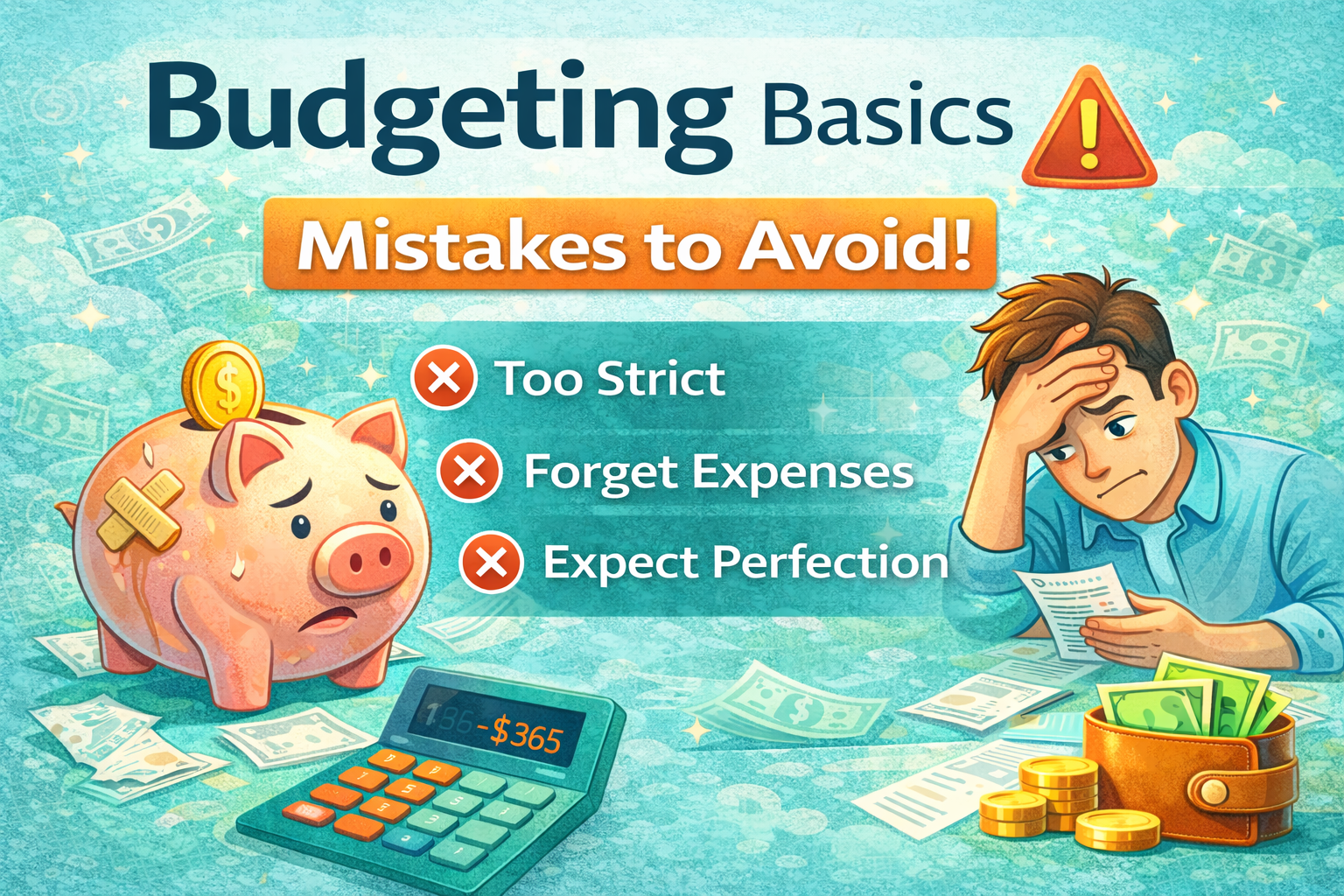
❌ Mistake 1: Being Too Strict With Spending
One of the most common beginner mistakes considered a "perfect" budget is cutting out everything fun.
Example:
You decide:
• No eating out
• No hobbies
• No entertainment
• No small treats
This might work for a week… then it feels miserable.
Most people then overspend out of frustration and feel like they “failed.”
✅ Fix
Build flexibility into your budget.
Example:
• $50–$100/month for fun money
• A small dining-out allowance
• Guilt-free spending categories
A sustainable budget beats a perfect one.
❌ Mistake 2: Forgetting Irregular Expenses
Beginners often budget for monthly bills but forget occasional costs.
Examples:
• Car repairs
• Holiday gifts
• Back-to-school shopping
• Annual subscriptions
• Medical copays
Then when these pop up, it feels like the budget isn’t working.
✅ Fix
Use sinking funds.
Example:
Instead of scrambling for $600 during the holidays:
• Save $50/month all year
No stress. No debt.
❌ Mistake 3: Not Tracking Actual Spending
Creating a budget is only half the job.
If you never check your real spending, your budget becomes a guess.
Example:
You budget $300 for groceries
But actually spend $475
Without tracking, you won’t notice the gap.
✅ Fix
Review spending weekly.
Even 10 minutes helps you stay aware and adjust early.
❌ Mistake 4: Giving Up After One Bad Month
Life happens.
Maybe:
• An unexpected bill hits
• You overspend on vacation
• Groceries cost more than planned
Some beginners think:
“I blew it — budgeting doesn’t work.”
✅ Fix
Treat each month as practice.
Example:
If you overspend by $100, adjust next month instead of quitting.
Progress > perfection.
❌ Mistake 5: Guessing Numbers Instead of Checking
Many people estimate expenses from memory.
But memory isn’t accurate.
Example:
You think you spend $150 eating out
Your bank statement shows $340
That difference matters.
✅ Fix
Look at your last 2–3 months of transactions.
Build your budget from real numbers.
❌ Mistake 6: Not Having an Emergency Fund
Without savings, any surprise can derail your budget.
Examples:
• Flat tire
• Vet visit
• Urgent travel
• Appliance repair
Then people rely on credit cards.
✅ Fix
Start reminded and manageable:
• $500 starter fund
• Then build to 3–6 months of expenses
Even small savings create breathing room.
❌ Mistake 7: Ignoring Small Purchases
Tiny expenses don’t feel important individually.
Examples:
• $6 coffee
• $12 streaming service
• $15 food delivery fees
But together?
They can exceed $200–$300/month.
✅ Fix
Track small spending for 30 days.
You don’t have to cut it all — just be aware.
❌ Mistake 8: Budgeting Alone When Sharing Finances
If you share money with a partner, budgeting solo causes misalignment.
Example:
You’re saving aggressively
Your partner spends freely
Neither knows the plan
That leads to frustration.
✅ Fix
Have monthly money check-ins.
A 15-minute talk can prevent big conflicts.
❌ Mistake 9: Setting Unrealistic Goals
Big goals are motivating — but unrealistic ones discourage.
Example:
Trying to save $1,000/month on a tight income
Then feeling defeated
✅ Fix
Start smaller.
Example:
Save $100/month consistently
Then increase over time
Consistency builds momentum.
❌ Mistake 10: Making Budgeting Too Complicated
Some beginners use:
• Complex spreadsheets
• Multiple apps
• Manual tracking systems
Then it feels like a chore.
✅ Fix
Keep it simple.
A system you use beats a system you avoid.
✅ Final Thoughts
Budgeting isn’t about restriction.
It’s about intention.
Most people don’t fail at budgeting —
they just haven’t found a system that fits their life yet.
And that’s okay.
💡 Quick Takeaway
Avoid these mistakes and you’re already ahead of most beginners.
Start simple.
Adjust often.
Stay consistent.
That’s how real progress happens.
Want a simpler way to stay on track?
Using a budgeting tool can help organize your income, expenses, and savings without the stress of spreadsheets.
Related Articles
-
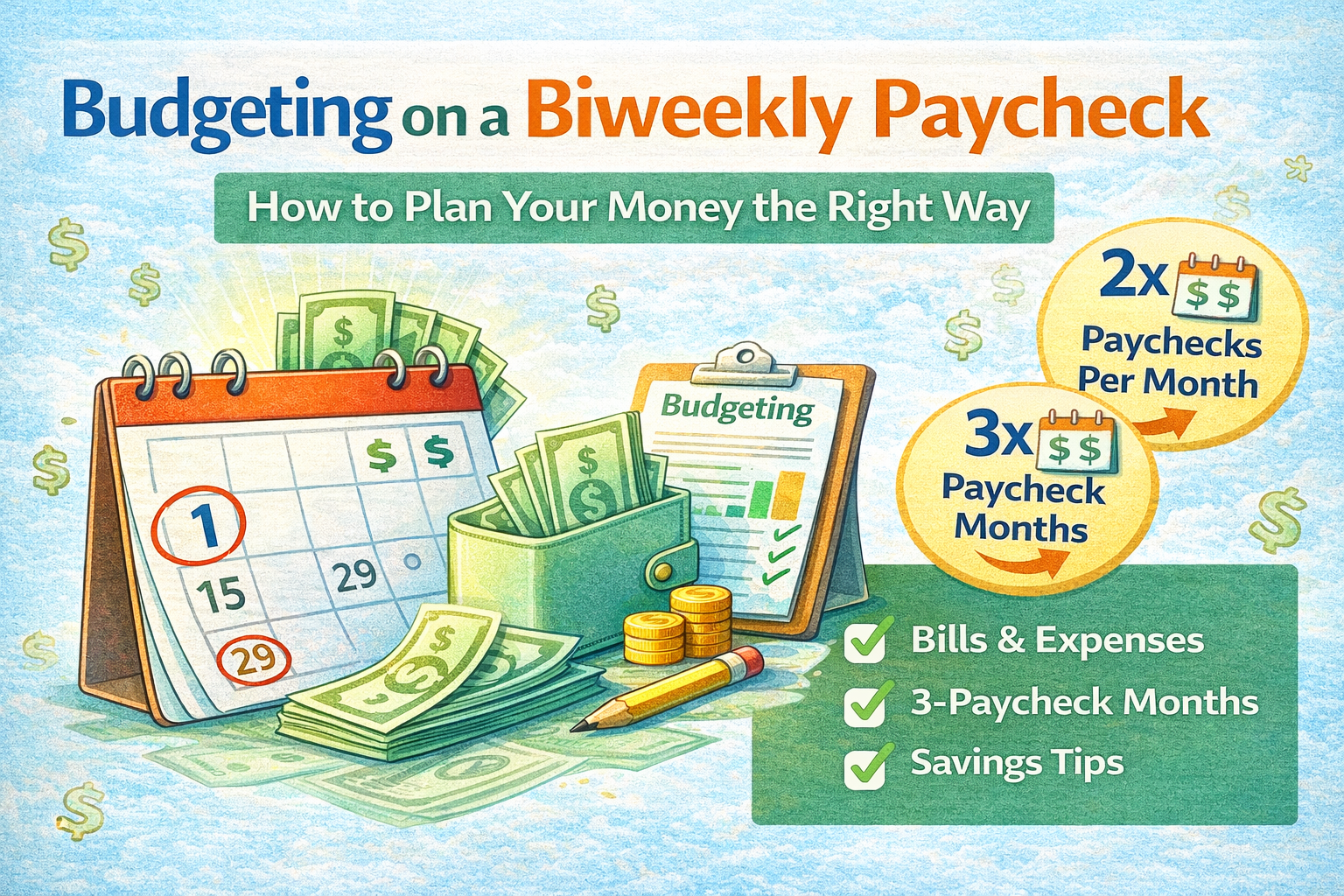 Learn how to budget with a biweekly paycheck. Discover simple strategies to manage bills, handle 3-paycheck months, and stay in control of your financ
 -
 Budgeting is a simple plan for your money. Learn what budgeting is, why it matters, and how to start a realistic budget that helps you save more and s
 -
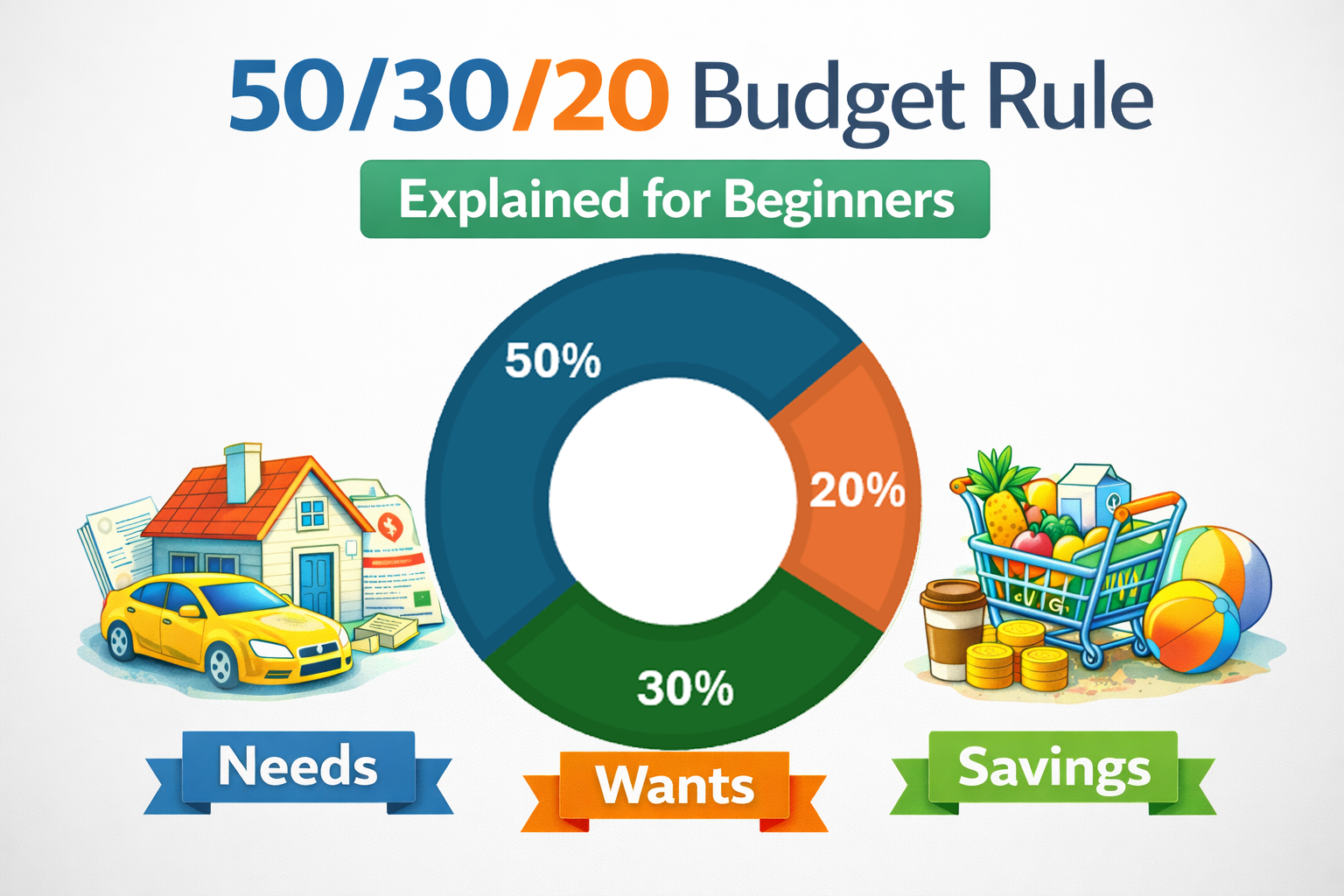 Learn how the 50/30/20 budget rule works with real examples. Discover how to divide your income into needs, wants, and savings to build a simple, bala
 -
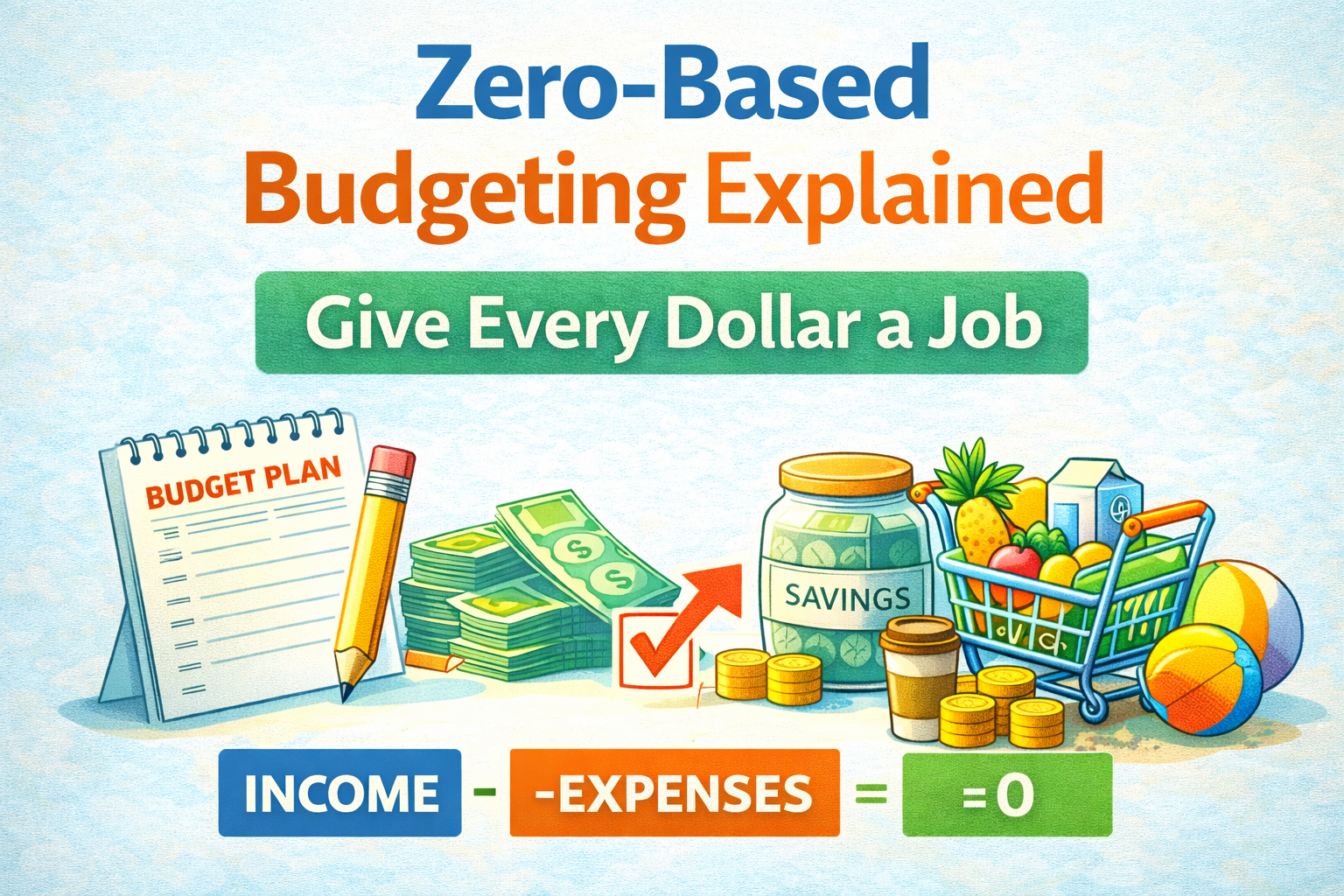 Learn how zero-based budgeting works with real examples. Discover how assigning every dollar a purpose can help you control spending, reduce debt, and
 -
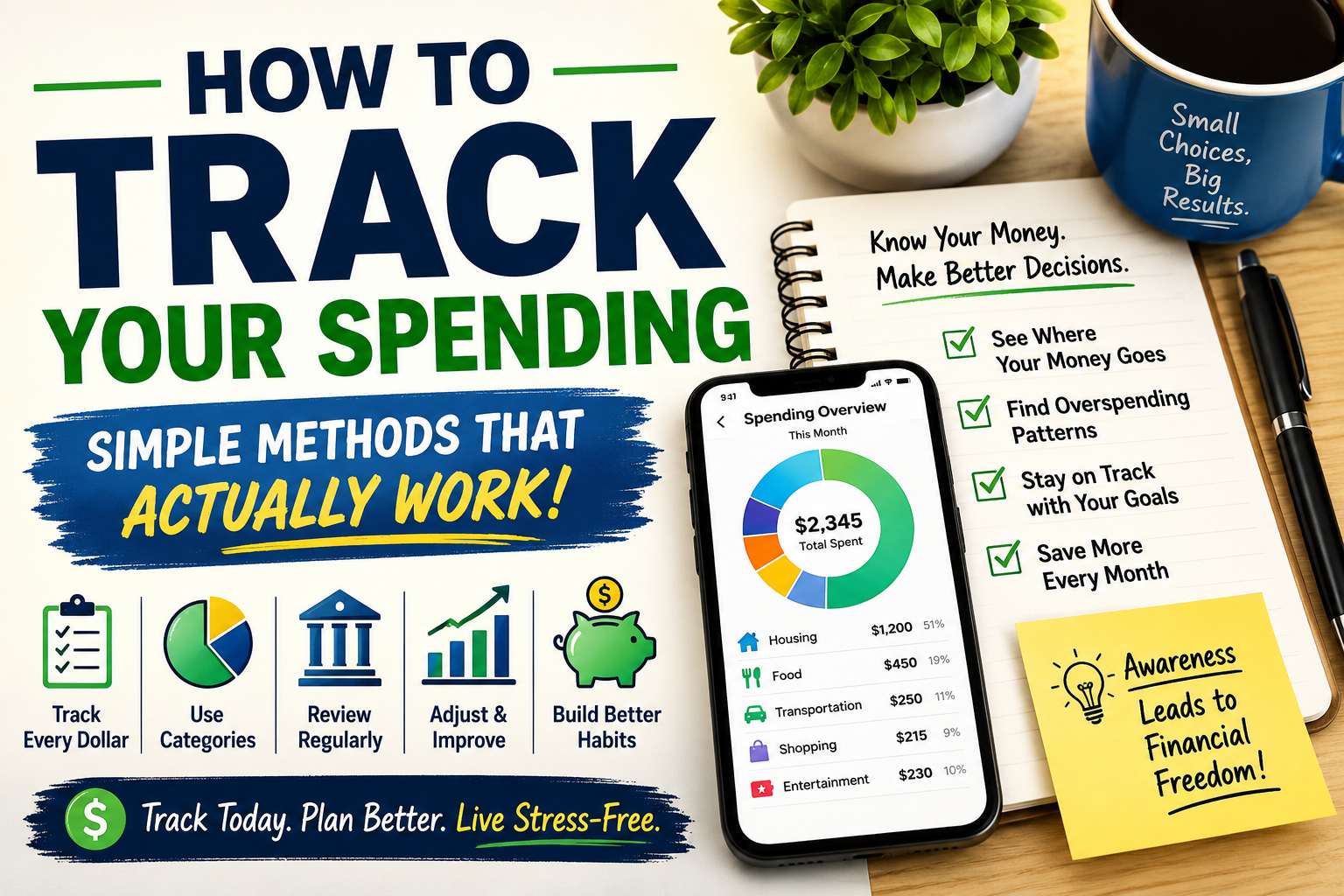 Learn how to track your spending with beginner-friendly methods. Discover how tracking expenses can help you save money, and avoid overspending.