Emergency Fund Guide: How Much You Need and How to Build It
Updated on 2026-03-15 at 09:10
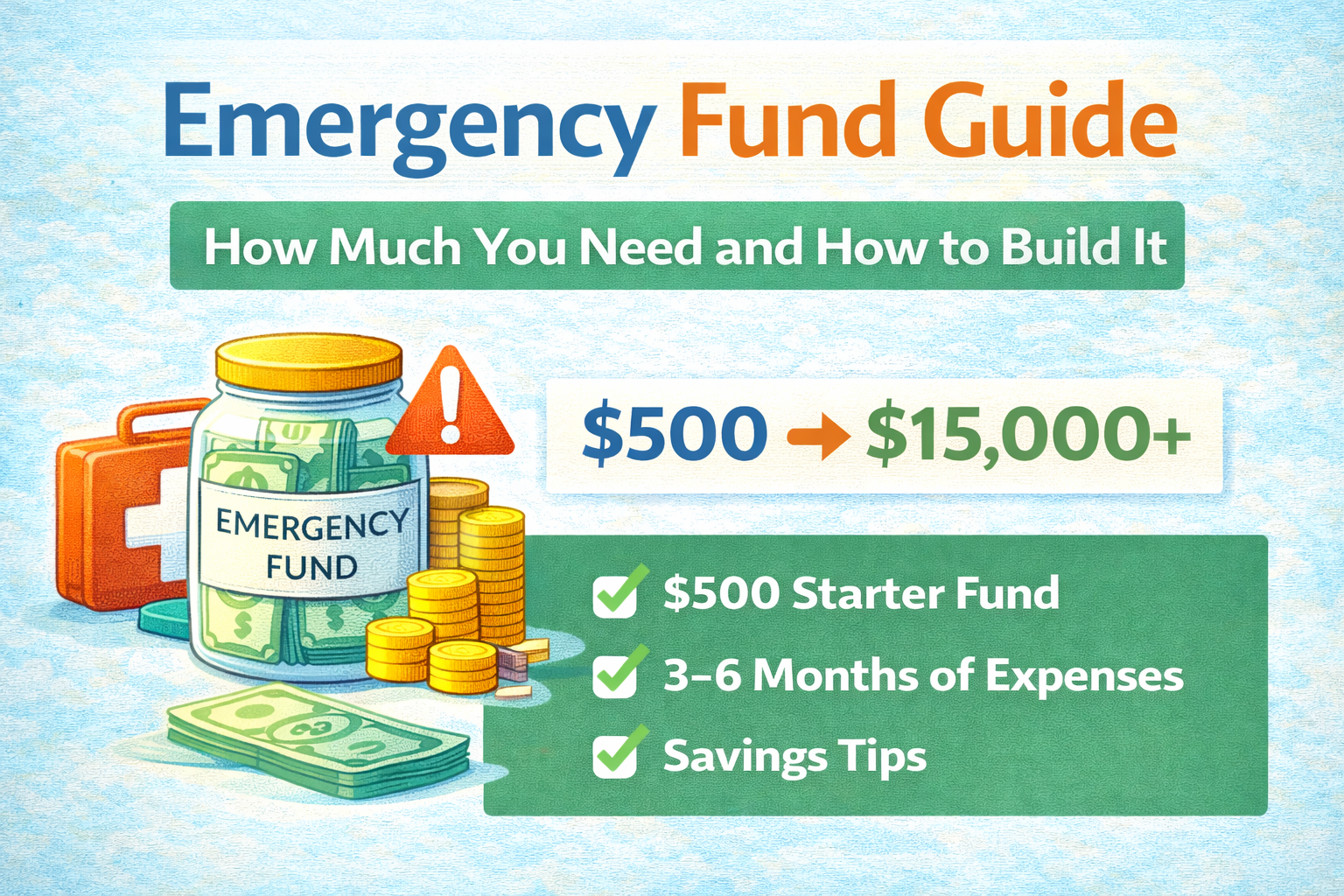
Unexpected expenses happen to everyone.
A car breaks down.
A medical bill appears.
Your income suddenly changes.
Without savings, these situations often lead to credit card debt or financial stress.
That’s why one of the most important steps in personal finance is building an emergency fund.
An emergency fund acts as a financial safety net that helps you handle unexpected expenses without disrupting your long-term financial goals.
Let’s walk through why emergency funds matter, how much you should save, and how to start building one today.
What Is an Emergency Fund?
An emergency fund is money set aside specifically for unexpected financial emergencies.
It’s not meant for planned purchases or everyday spending.
Instead, it’s reserved for situations like:
• Job loss
• Medical emergencies
• Car repairs
• Home repairs
• Unexpected travel for family emergencies
Think of it as financial protection against life’s surprises.
Why Emergency Funds Are So Important
Many financial problems start with a single unexpected expense.
For example:
Imagine your car suddenly needs $900 in repairs.
Without savings, you may have to:
• Put the expense on a credit card
• Take out a loan
• Delay paying other bills
But with an emergency fund, you can cover the cost immediately without going into debt.
Emergency savings provide:
✔ Financial security
✔ Reduced stress
✔ Protection from debt
✔ Greater financial confidence
How Much Should You Save?
The traditional recommendation is to save 3–6 months of living expenses.
However, that goal can feel overwhelming if you’re just starting.
A better approach is to build your emergency fund in stages.
Stage 1: Your Starter Emergency Fund
Your first goal should be $500–$1,000.
This amount can cover many common emergencies like:
• Minor car repairs
• Unexpected medical bills
• Appliance replacement
• Emergency travel
This starter fund alone can prevent many people from going into debt.
Stage 2: Three Months of Expenses
Once your starter fund is built, aim for three months of living expenses.
For example:
Monthly expenses: $2,500
Emergency fund goal:
$2,500 × 3 = $7,500
This level of savings provides significant protection if your income is interrupted.
Stage 3: Six Months of Expenses
For maximum security, many financial experts recommend six months of expenses.
Example:
Monthly expenses: $2,500
Emergency fund goal:
$2,500 × 6 = $15,000
This larger cushion can help protect against longer-term income disruptions.
What Counts as an Emergency?
A good rule of thumb is to ask:
Is this unexpected and necessary?
Examples of true emergencies include:
✔ Medical bills
✔ Car repairs needed for work
✔ Essential home repairs
✔ Job loss
✔ Emergency travel
Expenses that are not emergencies might include:
✖ Vacations
✖ Holiday shopping
✖ Upgrading electronics
✖ Dining out
Keeping your emergency fund reserved for real emergencies ensures it’s there when you truly need it.
Where Should You Keep an Emergency Fund?
Your emergency savings should be:
• Easy to access
• Safe from market risk
• Separate from daily spending
Common places to store emergency funds include:
• High-yield savings accounts
• Online savings accounts
• Money market accounts
Avoid investing emergency funds in stocks because the market can fluctuate when you need the money most.
How to Build an Emergency Fund Faster
Saving thousands of dollars may feel intimidating, but small consistent steps can add up quickly.
Start Small
Begin by saving $25–$50 per week.
Example:
$50 per week = $2,600 per year.
Consistency matters more than starting big.
Automate Your Savings
One of the easiest ways to build savings is automation.
Set up automatic transfers from your checking account to savings each payday.
When saving becomes automatic, it requires less effort and discipline.
Use Windfalls
Unexpected income can accelerate your emergency fund.
Consider putting portions of:
• Tax refunds
• Bonuses
• Side income
• Gifts
directly into savings.
Reduce One Expense Temporarily
Cutting one spending category for a few months can make a big difference.
Example:
If you reduce dining out by $150 per month, that’s:
$1,800 saved in one year.
Emergency Funds and Budgeting
Emergency funds work best when they are built into your budget.
When creating a budget, treat savings like a monthly expense.
For example:
Income: $3,500
Savings category: $300
By making savings a priority, your emergency fund grows steadily over time.
What Happens After You Use Your Emergency Fund?
Using your emergency fund is not a failure — it’s exactly what it’s designed for.
After using the funds, simply focus on rebuilding the savings over time.
Financial stability comes from preparation, not perfection.
Final Thoughts
Life is unpredictable, but your finances don’t have to be.
Building an emergency fund gives you the confidence to handle unexpected expenses without panic or debt.
Even starting with a small amount can make a meaningful difference.
The key is to begin today and build steadily over time.
Quick Takeaway
An emergency fund helps protect you from unexpected financial shocks.
Start with:
✔ $500–$1,000 starter fund
✔ Build toward 3–6 months of expenses
✔ Save consistently over time
Small steps today create financial stability tomorrow.
Related Articles
-
 Learn how to create your first budget with this simple step-by-step guide. Perfect for beginners who want to save money and manage finances better.
 -
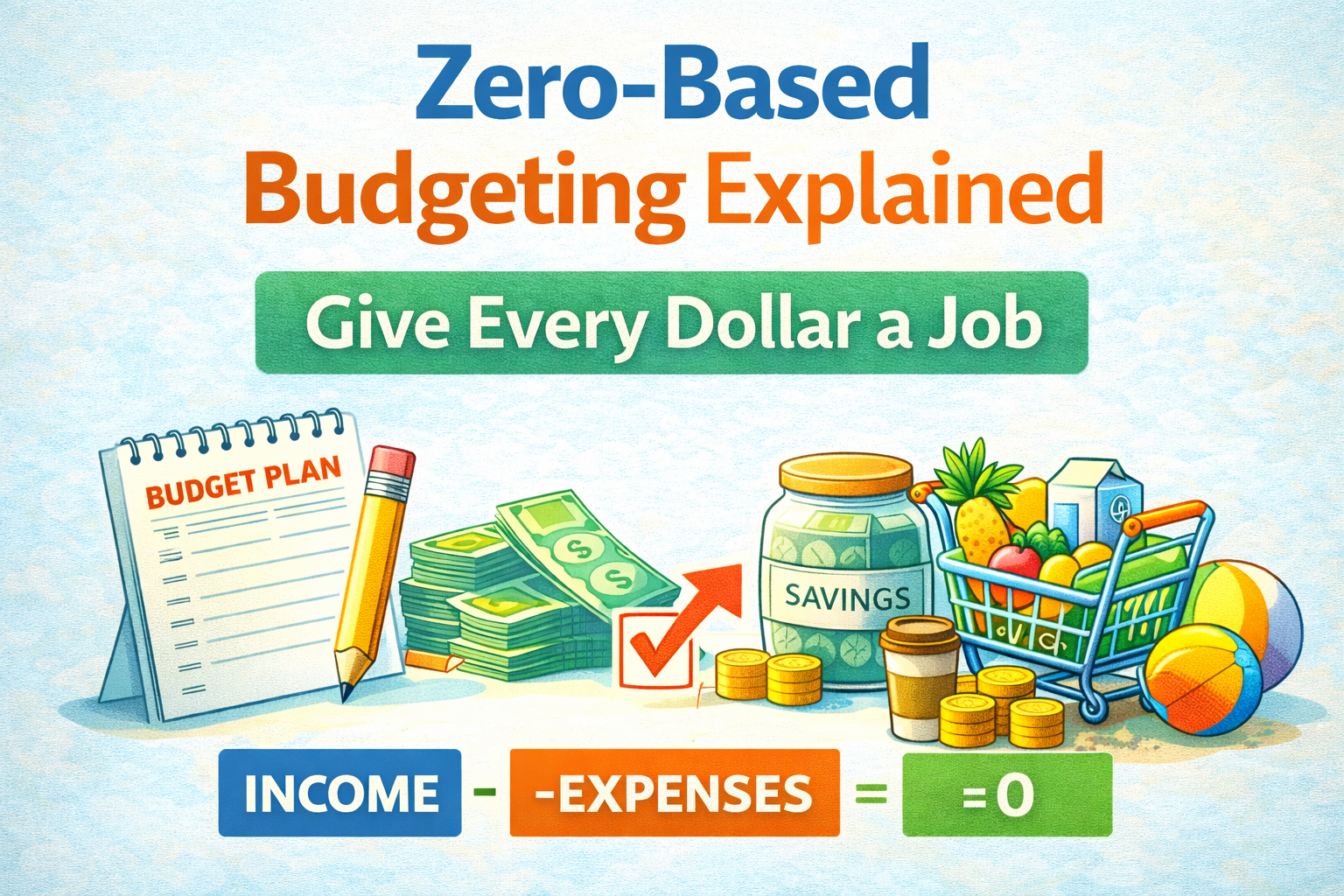 Learn how zero-based budgeting works with real examples. Discover how assigning every dollar a purpose can help you control spending, reduce debt, and
 -
 Struggling to stick to your budget? Learn 10 realistic, beginner-friendly tips to stay on track, avoid overspending, and build better money habits.
 -
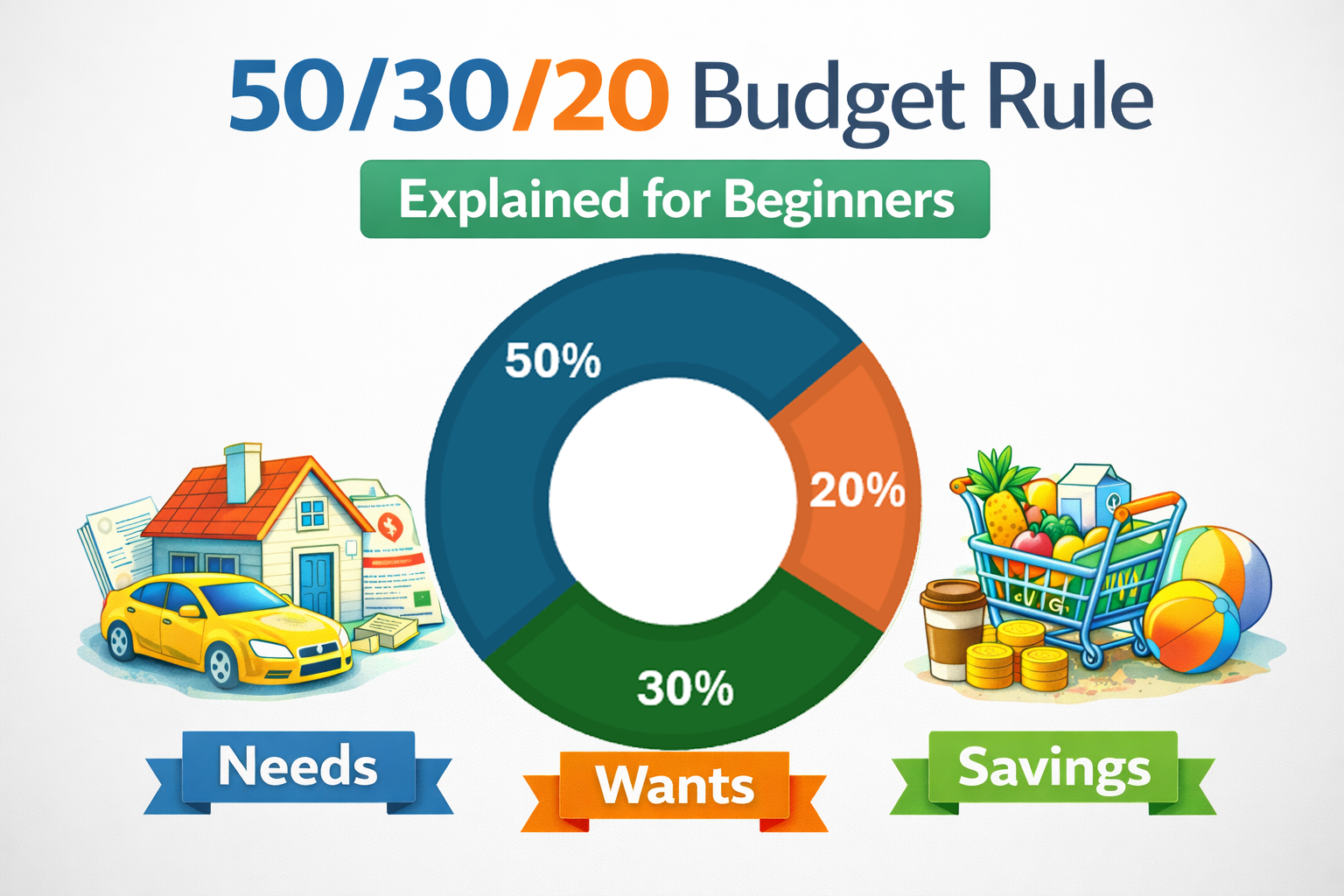 Learn how the 50/30/20 budget rule works with real examples. Discover how to divide your income into needs, wants, and savings to build a simple, bala
 -
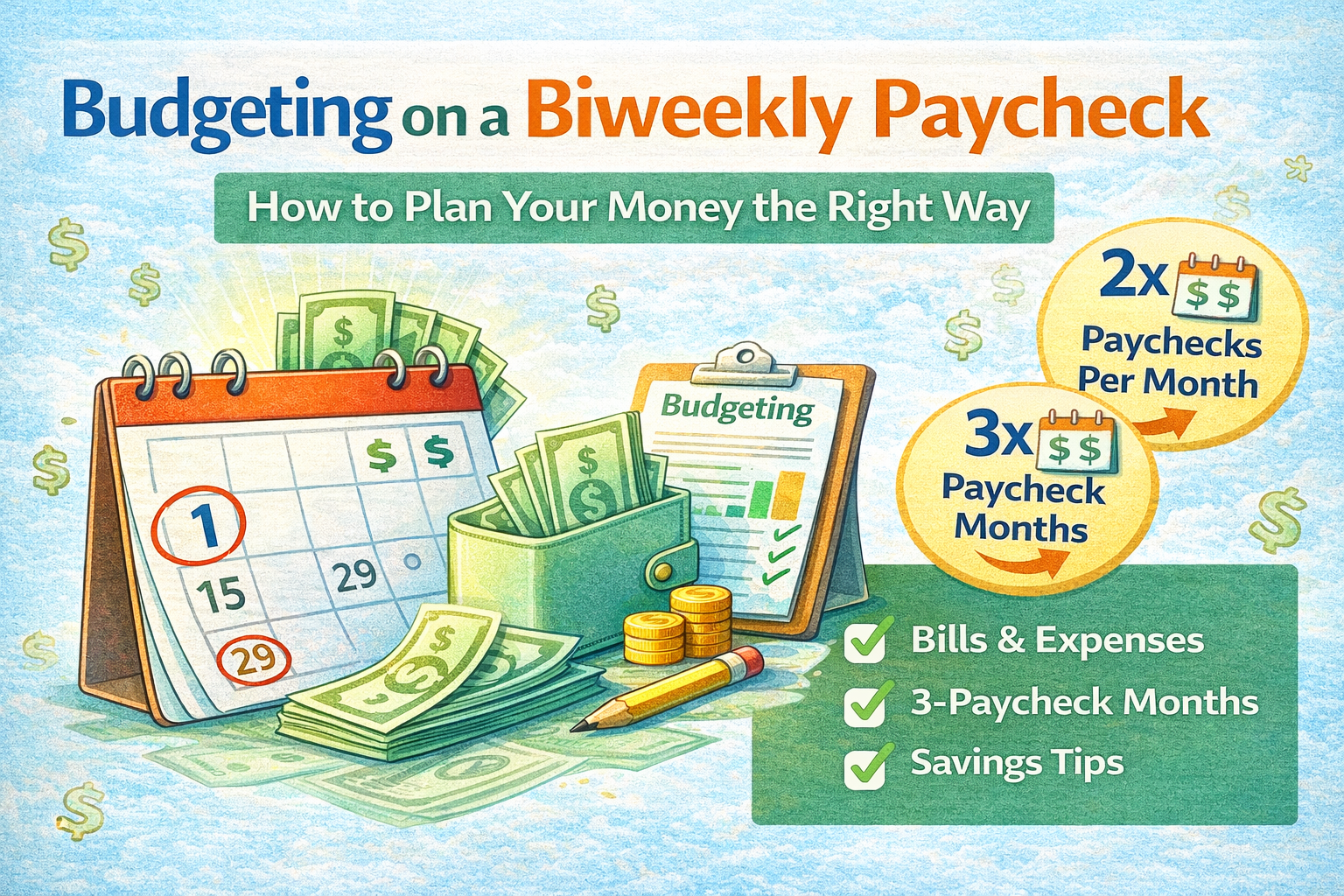 Learn how to budget with a biweekly paycheck. Discover simple strategies to manage bills, handle 3-paycheck months, and stay in control of your financ