Fixed vs Variable Expenses Explained: A Beginner’s Guide to Smarter Budgeting
Updated on 2026-02-22 at 11:33
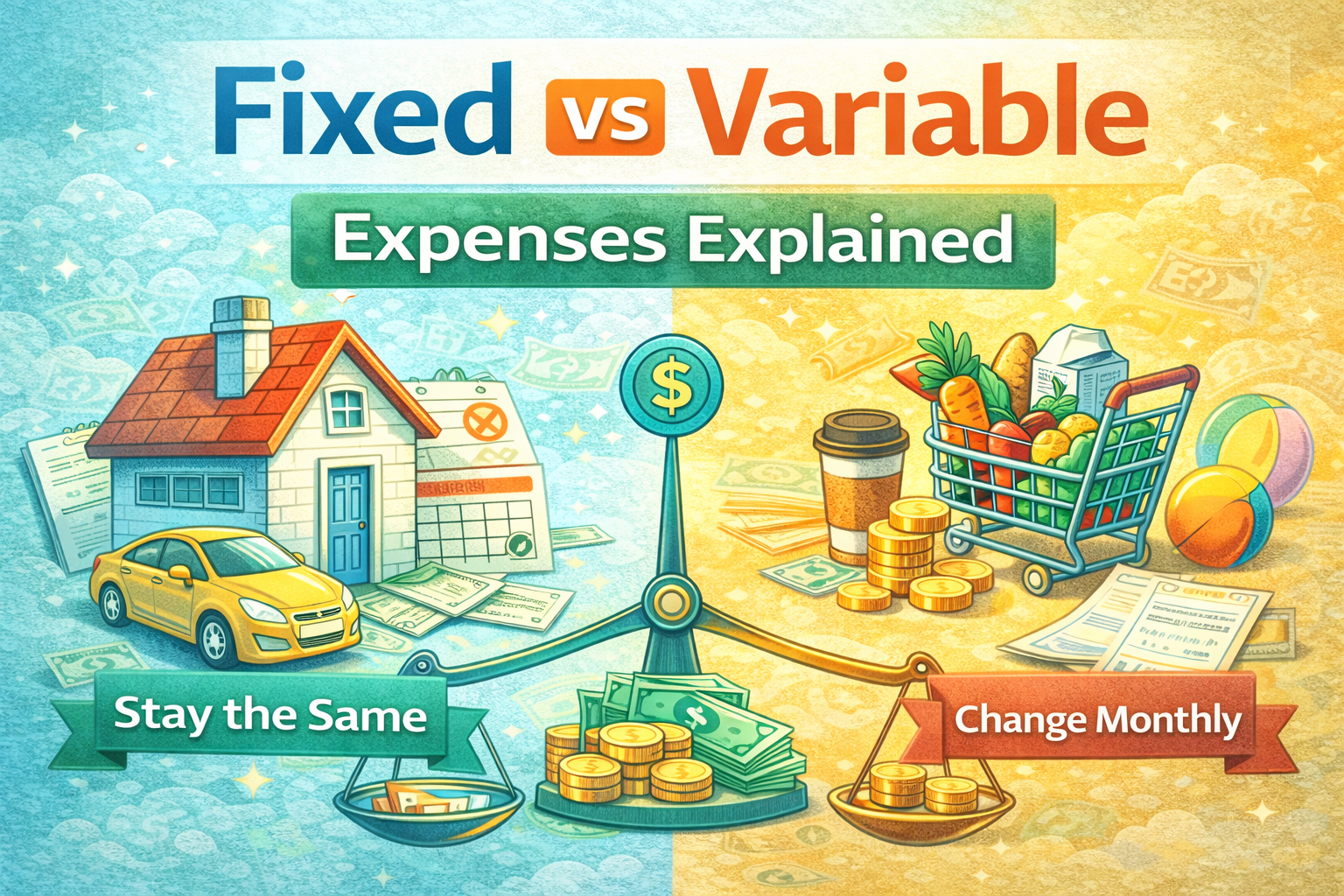
If you’re building your first budget, one of the most important concepts to understand is the difference between fixed expenses and variable expenses.
Why?
Because knowing which is which helps you:
• Plan more accurately
• Spot areas to adjust
• Avoid overspending
• Stay in control of your money
Let’s break it down in simple terms.
✅ What Are Fixed Expenses?
Fixed expenses are costs that stay the same (or nearly the same) each month.
You usually know:
- The amount
- The due date
- That they must be paid
These are the predictable parts of your budget.
🔹 Examples of Fixed Expenses
• Rent or mortgage
• Car payment
• Insurance premiums
• Phone bill
• Internet bill
• Loan payments
• Childcare tuition
• Subscription services (Netflix, gym, etc.)
🧠 Real-Life Example
If your rent is $1,500 every month, it doesn’t matter how much you cook at home or skip coffee — that bill remains.
Because fixed expenses don’t change much, they form the foundation of your budget.
✅ What Are Variable Expenses?
Variable expenses change month to month.
Some months they’re higher.
Some months they’re lower.
These are the flexible parts of your spending.
🔹 Examples of Variable Expenses
• Groceries
• Gas
• Eating out
• Entertainment
• Shopping
• Utilities (electric, water)
• Travel
• Personal care
🧠 Real-Life Example
One month you might spend:
• $300 on groceries
Another month:
• $450 due to price increases or hosting guests
That’s a variable expense.
✅ Why This Difference Matters
Understanding the difference helps you make smarter decisions.
⃣ Fixed Expenses Show Your Minimum Living Cost
Add up all fixed expenses and you’ll know:
👉 The minimum income needed to cover essentials
Example:
Rent: $1,500
Car: $400
Insurance: $200
Subscriptions: $50
Minimum needed = $2,150/month
That number is powerful.
⃣ Variable Expenses Are Where Adjustments Happen
If money feels tight, variable expenses are usually where you adjust.
Example:
- Cook more at home
- Reduce takeout
- Limit impulse shopping
You can’t easily change rent, but you can change grocery habits.
⃣ Variable Spending Reveals Habits
Tracking variable expenses shows patterns.
Example:
You planned $150 dining out
But actually spent $380
Now you have insight.
✅ Common Beginner Mistake
Many people treat all expenses the same.
This leads to:
❌ Unrealistic budgets
❌ Overspending
❌ Frustration
Example:
Trying to “cut rent” when the real issue is dining out.
✅ How to Budget for Both
Here’s a simple method:
Step 1: List Fixed Expenses First
These are non-negotiable.
Step 2: Estimate Variable Expenses
Use past bank statements for realistic numbers.
Step 3: Leave Cushion Room
Variable expenses fluctuate.
Build a buffer so you’re not stressed.
✅ Pro Tip: Review Variable Spending Monthly
Fixed bills rarely surprise you.
Variable spending does.
A quick monthly review keeps things in check.
✅ Final Thoughts
A strong budget balances both:
- Predictability (fixed expenses)
- Flexibility (variable expenses)
When you understand the difference, you gain more control and less stress.
💡 Quick Takeaway
📌 Fixed expenses = predictable
📌 Variable expenses = flexible
📌 Smart budgeting uses both
Related Articles
-
 Discover the benefits of using a budget app to track expenses, set goals, manage bills, and gain financial insights for better money management.
 -
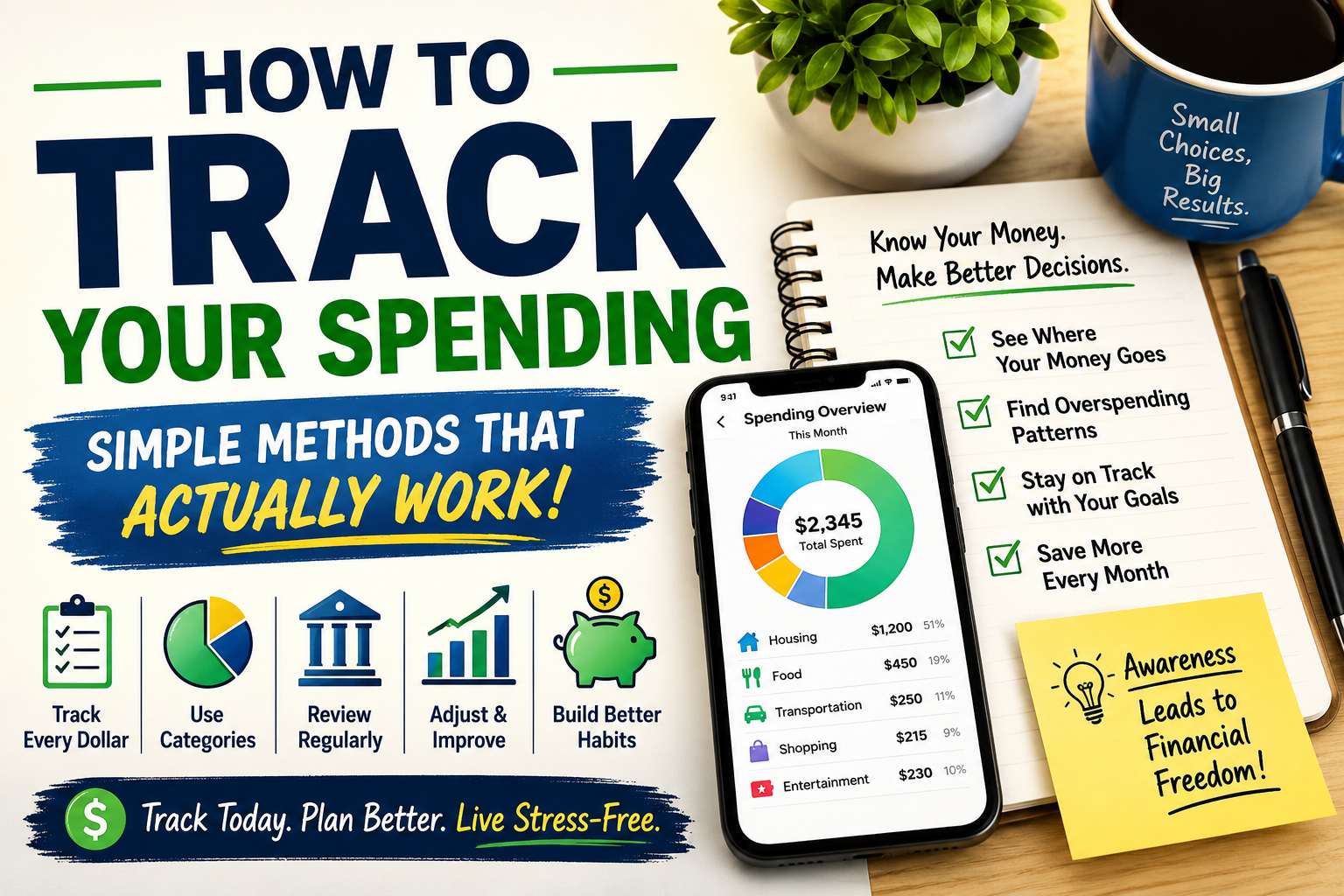 Learn how to track your spending with beginner-friendly methods. Discover how tracking expenses can help you save money, and avoid overspending.
 -
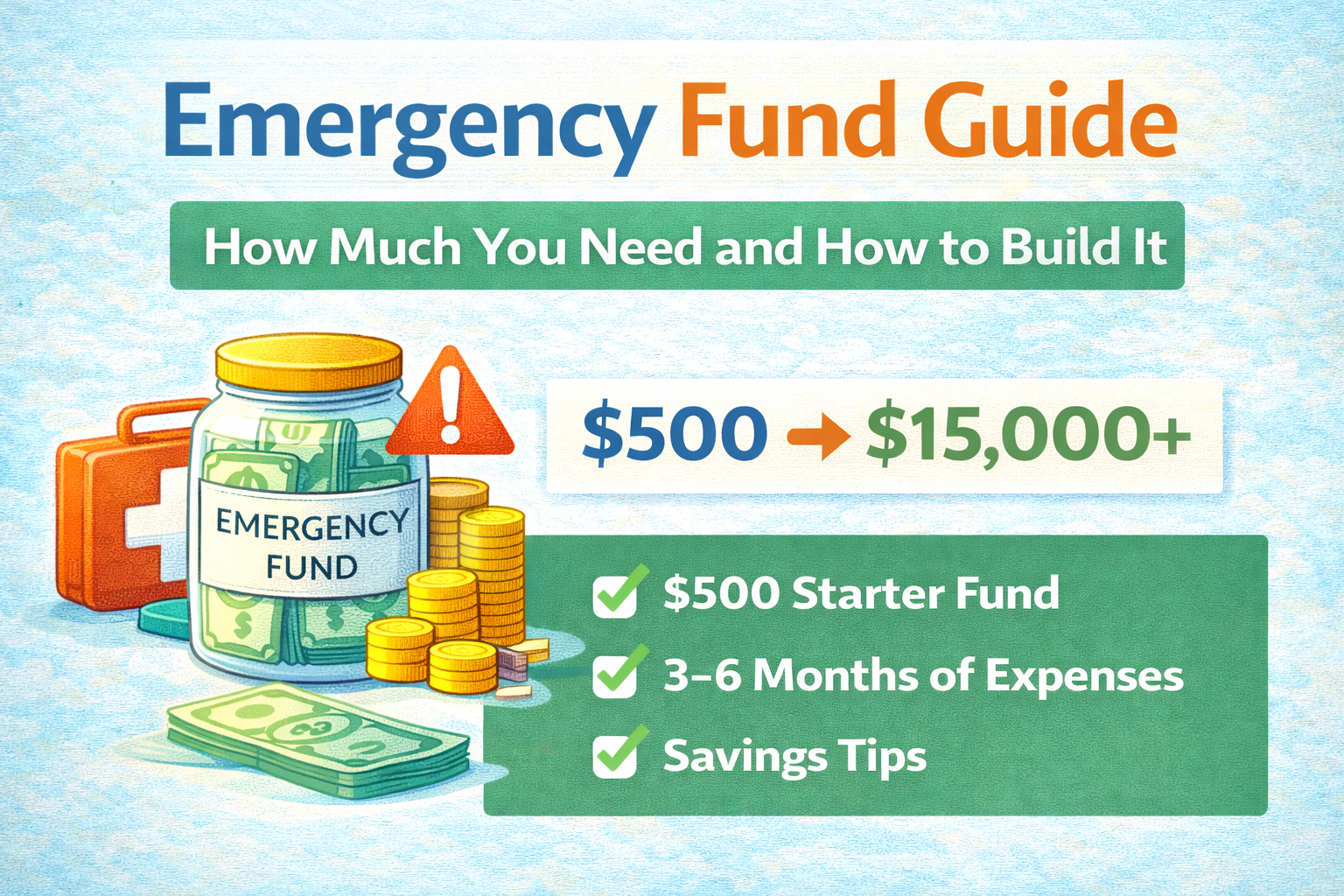 Learn why an emergency fund is essential, how much you should save, and practical strategies to build one faster.
 -
 Struggling to stick to your budget? Learn 10 realistic, beginner-friendly tips to stay on track, avoid overspending, and build better money habits.
 -
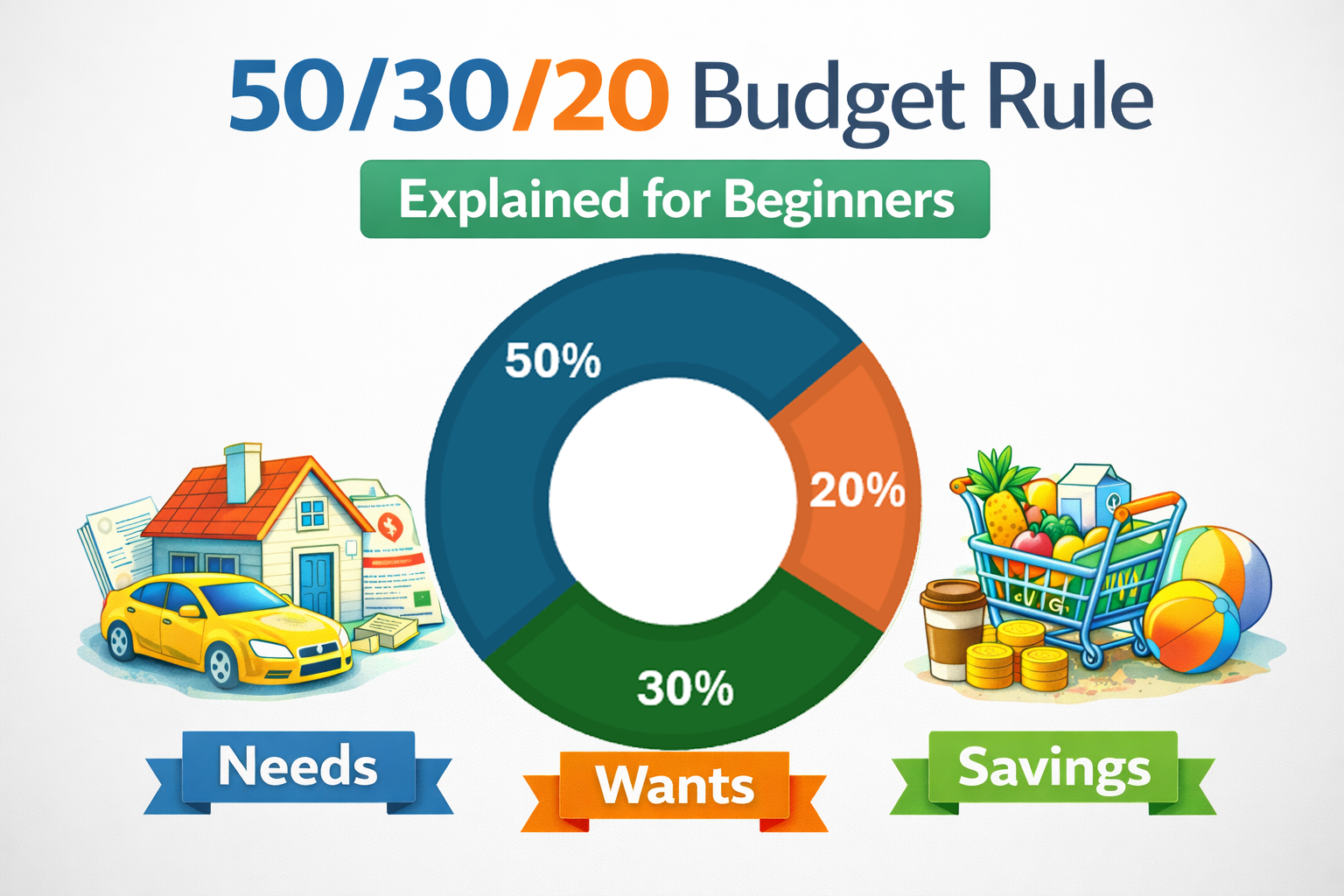 Learn how the 50/30/20 budget rule works with real examples. Discover how to divide your income into needs, wants, and savings to build a simple, bala